Mortgage Blogs
Stay up to date with the recent industry news and mortgage trends.

Toronto Mortgage Broker Guide: Using Home Equity to Tackle High-Interest Debt the Right Way
Toronto Mortgage Broker Guide to Managing High-Interest Debt
Many homeowners carry high-interest debt while sitting on significant home equity. That situation can feel frustrating, especially when monthly payments seem to go toward interest instead of progress.
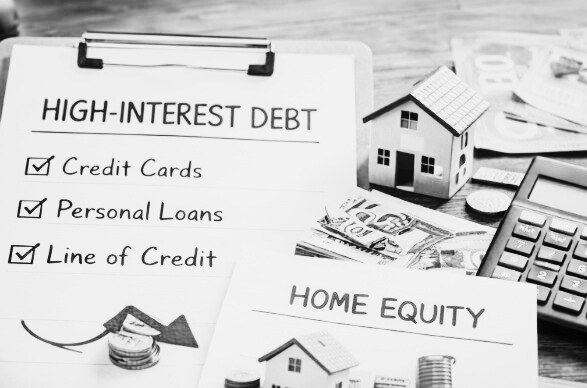
The issue is usually not debt itself. It is how expensive that debt is and how it fits into your long-term plan. Credit cards, unsecured lines of credit, and personal loans often carry high rates and unpredictable payments. Over time, they can slow financial momentum.
As a Toronto mortgage broker, I often help homeowners explore whether home equity can be used to replace higher-interest balances with lower, more predictable payments. When done carefully, it can bring clarity and stability. When rushed, it can create new challenges.
Here are three important things to consider before moving forward.
Why High-Interest Debt Feels So Frustrating for Homeowners
High-interest debt tends to linger. Even when payments are made consistently, balances may not drop as quickly as expected. This can create a sense of running in place, especially for homeowners who know they have equity but are unsure how to use it wisely.
The frustration often comes from the mismatch between strong assets and costly liabilities.

The Real Issue Is Not Debt, It Is the Cost of Debt
Debt can be a tool when it is affordable and structured properly. The problem arises when interest rates are high and payments fluctuate.
Replacing high-interest debt with lower-cost borrowing can improve cash flow and make progress more visible. The key is ensuring that the new structure aligns with your overall financial goals.
How Home Equity Can Change the Conversation
Home equity often comes with lower interest rates and more predictable payments than unsecured debt. This can make it a practical option for restructuring balances.
However, using home equity should always be approached with care. It changes how debt is secured and affects long-term flexibility.
First Thing to Consider: Your Full Debt Picture
Looking Beyond the Monthly Payment
It is easy to focus only on reducing the monthly payment, but that does not tell the full story.
A clear picture includes total balances, interest rates, repayment timelines, and how each debt fits into your broader plan. Sometimes a lower payment today can mean higher costs over time if the structure is not right.
Understanding the full picture helps ensure decisions are made intentionally.
Second Thing to Consider: Preserving Flexibility
Avoiding a Structure That Feels Too Tight
When using home equity, flexibility matters. You want a setup that supports future needs, whether that means renovations, investments, or unexpected expenses.
A structure that removes all flexibility may provide short-term relief but create stress later. Balance is important.
Third Thing to Consider: Tying the Plan to a Clear Timeline
From Short-Term Relief to Long-Term Strategy
Using home equity should connect to a clear timeline. Is the goal to eliminate debt within a certain number of years? Improve cash flow while maintaining control? Prepare for a future milestone?
Without a timeline, debt consolidation can become a temporary fix rather than a lasting solution.
When Using Home Equity Can Make Sense
This approach often works best when:
High-interest debt is costing more than it should
The new structure improves predictability
Flexibility is preserved
There is a clear plan for repayment
Every situation is different, which is why reviewing options carefully matters.
How a Toronto Mortgage Broker Helps You Evaluate Options
A Toronto mortgage broker helps you look beyond simple rate comparisons. The focus is on understanding how restructuring debt affects cash flow, flexibility, and long-term goals.
The right solution should reduce stress today without creating limitations tomorrow.
Frequently Asked Questions
Is using home equity always a good idea for debt?
Not always. It depends on structure, goals, and discipline.
Does this eliminate debt faster?
It can, especially when interest costs are reduced.
Will my home be at risk?
Any decision involving home equity should be approached carefully and responsibly.
Is a lower payment always better?
Not if it increases total costs or reduces flexibility.
Can this improve cash flow?
Yes, when structured properly.
Who should review this with me?
A Toronto mortgage broker can help assess whether it fits your situation.
Conclusion and Next Steps
Many homeowners feel stuck carrying expensive debt while holding valuable home equity. The solution is not simply moving debt around, but restructuring it in a way that supports long-term plans.
Understanding your full debt picture, preserving flexibility, and tying decisions to a clear timeline can make all the difference. If you want to review whether this approach fits your situation, I am happy to help you think it through and explore your options with clarity.

Trusted Guidance, Proven Success

Alan Borcic | Mortgage Strategist
(647) 694-7033
Assistance Hours
Mon – Fri 9:00am – 8:00pm
Saturday/Sunday – CLOSED
Get In Touch With
(647) 694-7033
Assistance Hours
Mon – Fri 9:00am – 8:00pm
Saturday/Sunday – CLOSED
Contact Us



© 2026 Mortgage With Alan - All Rights Reserved.
Alan Borcic, Mortgage Strategist M24001034
BRX 13463